As a debut author, I have gone through the same mill as most other writers, trying to get representation for my work—actually, now for my second book after eventually self-publishing my first. So, what have I learned about the whole process?
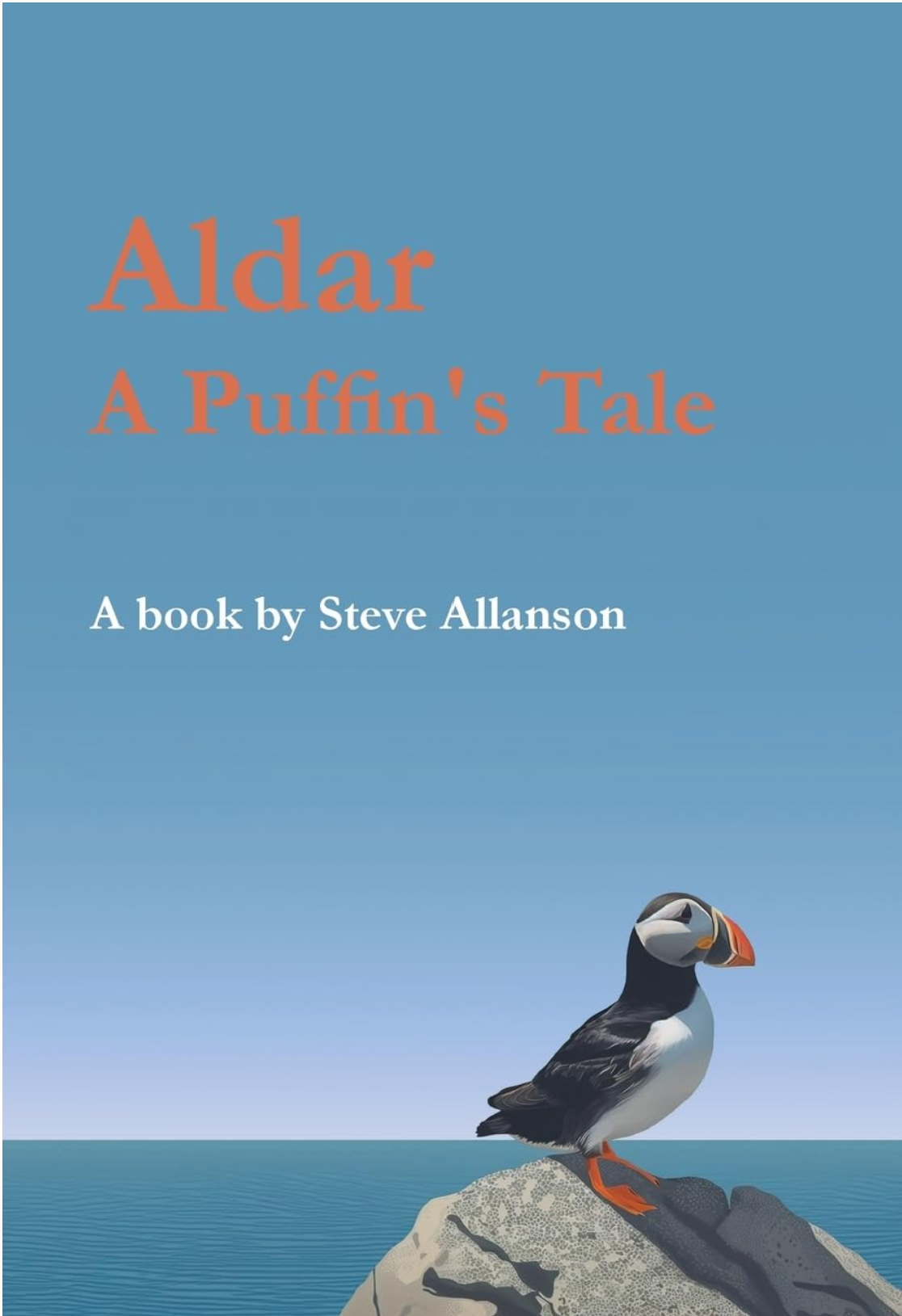
Self-publishing the first book, Aldar, A Puffin's Tale, taught me a huge amount about self-publishing—mainly by learning from my mistakes. However, it is only as I near the end of my search for either a publisher or an agent for my second book that my thoughts about this process have crystallised.
We have all read that "you shouldn't get dejected about the rejections but should persevere, as most published authors went through the same mill before eventually finding an agent and/or publisher." The trouble is, we all do react to every rejection—as well as to the many more agents from whom we never hear at all. As I near the point where I will decide to go down the self-publishing route again, I have spent many hours wondering what I am doing wrong. Indeed, there is a lot of advice (for sale, of course) out there telling us what we need to do better. "How to hone your query letter?" "How to write a winning submission?" "How to write the perfect novel?" etc. There are also numerous individuals who will sell you their skills as editors or marketers or invite you to pay for online courses and more. Some of them may be good—but without realising the fundamentals of what agents and publishers are looking for, you may well just waste your time and money.
So, let's take a look at agents, because that’s who the vast majority of submissions are directed at.
Key Realisation 1: Agents (and indeed publishers) are not motivated by finding the next literary masterpiece; they are motivated by one thing and one thing only—money.
They are looking to maximise the return they will get from the time and money they invest in a new author. This is natural; it's what all business is about. They may say they are looking to enhance the visibility of minority authors, and this may even be true—but only within the context of making money. They will NOT invest time and their own money in someone who is not going to bring a return. They just won’t!
I don't blame them for this—it’s just the reality of running a business—but recognising it does change how you might feel about those rejections. There are a number of things that flow from this, which are worth considering.
- Is your book likely to appeal to a wide audience?
If it is only aimed at a minority audience and you aren’t famous or previously published, then you are not likely to feature high on any agent's "must-do" list. This is the case with my first book about puffins. - If you are already in your 60s or older, are you likely to be writing (and making money for them) for long enough for their investment to be returned?
- How committed are you likely to be to working with an agent or publisher to maximise their return on investment?
- Is their rejection based on the literary merits (or otherwise) of your masterpiece, or are they telling you that they don’t see a likelihood that the return they will make from you is worth the large amount of time and energy they will have to put into marketing a new, unknown author?
Key Realisation 2: The vast majority of agents have never written a book.
Today, the day after a major shutdown of Heathrow Airport due to a power outage, I had to endure the smug Emma Barnett interviewing the CEO of the airport. She berated him for the outage, asking in a condescending tone, "Today, after a major outage, you have the nerve to say you are proud of the way your team responded." My immediate thought was, Well, I bet you never ran anything in your life, never had to deal with such a crisis, did you?
Now, I would never expect an agent or a publisher to lash out with unnecessary criticism of a submission—they are too professional for that. But that's exactly how we authors tend to view the rejection email or, even worse, the complete lack of response. So, it’s worth remembering that the vast majority of them have never themselves gone through the creative journey of writing a book. They have never sweated over those tens of thousands of words.
Why, then, do we allow ourselves to feel judged by them?
Let's acknowledge what their skill set is likely to be—marketing, securing a publishing deal for an author, and maybe even encouraging them through the process of creating a new book. But let’s not set them up as the arbiters of what is good and bad in terms of writing. The very best people to do that are our readers.
My first book was rejected or ignored by dozens of agents and publishers before I went through the process of learning how to self-publish (the subject of a future post). Here's what two of my readers had to say, along with their five-star reviews on Amazon (no, I do not know either of them; they are genuine, unsolicited reviews):
"The book follows the trials and tribulations of an Atlantic puffin called Aldar. From his first venture outside the burrow of his birth, we accompany him throughout his life and witness how he and the rest of his kind face the challenges of puffin life. The narrative is beautifully crafted and pulls no punches, for life is hard for these plucky comics of the sea; the highs are high, and the lows are low. It was impossible not to get caught up emotionally (I shed a tear, I don’t mind admitting)—a perfect combination of natural history and fiction, and I thoroughly enjoyed it as an adult reader. The illustrations supporting the narrative, particularly the original works by Tracey Barnett, are absolutely gorgeous. The book is deserving of being on the shelf of anyone who loves natural history fiction."
and
"Loved it from start to finish. Aldar’s tale was a fascinating insight into the life of a puffin."
Finally, let’s look at just one self-published author—L.J. Ross. Now, I don’t know whether she ever tried to get representation for her books or went straight to self-publishing. What I do know is that she writes a cracking tale and has millions of dedicated fans who love her work.
So please, let’s not regard self-publishing as a failure. Let’s not measure the success of an author by whether they get an agent or a publisher. Instead, let’s acknowledge the dedication, hard work, and sheer doggedness of those authors who do self-publish and judge them (if at all) by the quality of their work and by what their readers think.
And, as authors, let's feel good about what we do, let's not allow ourselves to be knocked of course by the routine rejections and ghosting. Just because an agent, or publisher, does not see your work as likely to bring good financial return for them does not mean your work is less valuable.
Steve Allanson, March 2025